White Homestead
Springs Close Family Archives Album William Elliott White & Sarah Robinson Wilson White William Elliott White and Sarah Robinson Wilson White built the White Homestead, one of the most distinguished examples of Federal style architecture in upcountry South Carolina around 1831. W. E.
At the White Homestead in the spring of 1865, William Elliott White hosted Jefferson Davis and the members of the Confederate cabinet on their flight from Richmond, VA.
Confederate Cabinet. Correspon dence between Davis and Elliott White Springs, who had inherited the White Homestead, began in 1939. There were 32 letters be tween the two from April 26, 1939, to March 18. 1940.
The home, called the White Homestead, was built by settler Robert White, whose descendants lived there until the 1920s, Gilligan said. On October 13, she'll have owned the house for 21 years. The first time she stepped into the home was for a funeral reception. "I said, ooh, I could live here," Gilligan said.
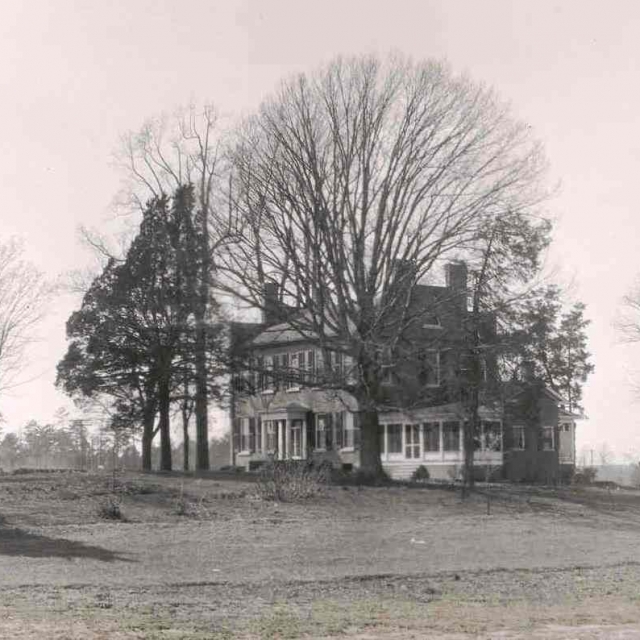
The home, called the White Homestead, was built by settler Robert White, whose descendants lived there until the 1920s, Gilligan said. On October 13, she'll have owned the house for 21 years. The first time she stepped into the home was for a funeral reception. "I said, ooh, I could live here," Gilligan said.
Erected 2005 by White Homestead, replacing a marker erected by Captain Elliott White Springs on 11 March 1940. (Marker Number 46-4.) Topics. This historical marker is listed in these topic lists: Government & Politics War, US Civil. A significant historical month for this entry is April 1842. Location. Marker has been reported missing.
Springs Close Family Archives Album William Elliott White & Sarah Robinson Wilson White William Elliott White and Sarah Robinson Wilson White built the White Homestead, one of the most distinguished examples of Federal style architecture in upcountry South Carolina around 1831. W. E.
At the White Homestead in the spring of 1865, William Elliott White hosted Jefferson Davis and the members of the Confederate cabinet on their flight from Richmond, VA.
The White Homestead, Grose Wold - Pure Locations

2,525 Followers, 1,554 Following, 733 Posts - Katelynn (@the.white.homestead) on Instagram: "A curated collection of found goods for your home.".
At the White Homestead in the spring of 1865, William Elliott White hosted Jefferson Davis and the members of the Confederate cabinet on their flight from Richmond, VA.
Confederate Cabinet. Correspon dence between Davis and Elliott White Springs, who had inherited the White Homestead, began in 1939. There were 32 letters be tween the two from April 26, 1939, to March 18. 1940.
White Homestead, nestled in Fort Mill, SC, offers a serene escape from the hustle and bustle of everyday life. This charming destination provides a glimpse into the past with its historical significance and tranquil surroundings.

Springs Close Family Archives Album William Elliott White & Sarah Robinson Wilson White William Elliott White and Sarah Robinson Wilson White built the White Homestead, one of the most distinguished examples of Federal style architecture in upcountry South Carolina around 1831. W. E.
The home, called the White Homestead, was built by settler Robert White, whose descendants lived there until the 1920s, Gilligan said. On October 13, she'll have owned the house for 21 years. The first time she stepped into the home was for a funeral reception. "I said, ooh, I could live here," Gilligan said.
Confederate Cabinet. Correspon dence between Davis and Elliott White Springs, who had inherited the White Homestead, began in 1939. There were 32 letters be tween the two from April 26, 1939, to March 18. 1940.
Erected 2005 by White Homestead, replacing a marker erected by Captain Elliott White Springs on 11 March 1940. (Marker Number 46-4.) Topics. This historical marker is listed in these topic lists: Government & Politics War, US Civil. A significant historical month for this entry is April 1842. Location. Marker has been reported missing.
The White Homestead, Grose Wold - Pure Locations - Location Hire
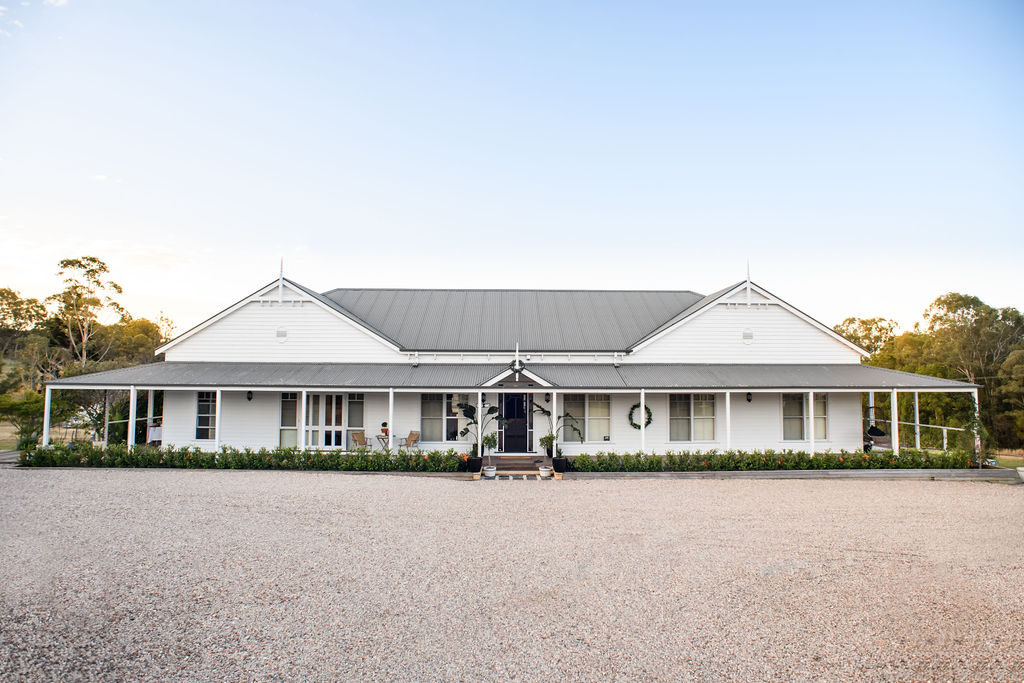
Confederate Cabinet. Correspon dence between Davis and Elliott White Springs, who had inherited the White Homestead, began in 1939. There were 32 letters be tween the two from April 26, 1939, to March 18. 1940.
2,525 Followers, 1,554 Following, 733 Posts - Katelynn (@the.white.homestead) on Instagram: "A curated collection of found goods for your home.".
THE WHITE HOMESTEAD William Elliott White of Fort Mill was twenty years of age when he married Sarah Robinson Wilson in 1824. He was the orphaned son of Capt. Joseph White and Martha (Elliott) White Wallis. Seven years and three children later, William Elliott White decided to build a larger home for the growing family.
The White Homestead, flanked by horse pastures and secluded from traffic on the town's main road by stately trees, was built in 1831 for William Elliott White by contractor Thomas B. Hoover for.

At the White Homestead in the spring of 1865, William Elliott White hosted Jefferson Davis and the members of the Confederate cabinet on their flight from Richmond, VA.
The home, called the White Homestead, was built by settler Robert White, whose descendants lived there until the 1920s, Gilligan said. On October 13, she'll have owned the house for 21 years. The first time she stepped into the home was for a funeral reception. "I said, ooh, I could live here," Gilligan said.
White Homestead, nestled in Fort Mill, SC, offers a serene escape from the hustle and bustle of everyday life. This charming destination provides a glimpse into the past with its historical significance and tranquil surroundings.
Built around 1831, the White Homestead, is one of the earliest brick structures in York County. The Georgian structure was a uniquely sophisticated home for the South Carolina Up-Country in the 1800's. On April 27 1865, Confederate President Jefferson Davis and his Cabinet convened on the front lawn of the Homestead to elect a replacement for Secretary of the Treasury George Trenholm, who had.
The Joys Of Homesteading - Milk And Honey Ranch

Confederate Cabinet. Correspon dence between Davis and Elliott White Springs, who had inherited the White Homestead, began in 1939. There were 32 letters be tween the two from April 26, 1939, to March 18. 1940.
THE WHITE HOMESTEAD William Elliott White of Fort Mill was twenty years of age when he married Sarah Robinson Wilson in 1824. He was the orphaned son of Capt. Joseph White and Martha (Elliott) White Wallis. Seven years and three children later, William Elliott White decided to build a larger home for the growing family.
2,525 Followers, 1,554 Following, 733 Posts - Katelynn (@the.white.homestead) on Instagram: "A curated collection of found goods for your home.".
The home, called the White Homestead, was built by settler Robert White, whose descendants lived there until the 1920s, Gilligan said. On October 13, she'll have owned the house for 21 years. The first time she stepped into the home was for a funeral reception. "I said, ooh, I could live here," Gilligan said.
My White Homestead: Paul Bangay - Garden Genius!

The home, called the White Homestead, was built by settler Robert White, whose descendants lived there until the 1920s, Gilligan said. On October 13, she'll have owned the house for 21 years. The first time she stepped into the home was for a funeral reception. "I said, ooh, I could live here," Gilligan said.
At the White Homestead in the spring of 1865, William Elliott White hosted Jefferson Davis and the members of the Confederate cabinet on their flight from Richmond, VA.
Erected 2005 by White Homestead, replacing a marker erected by Captain Elliott White Springs on 11 March 1940. (Marker Number 46-4.) Topics. This historical marker is listed in these topic lists: Government & Politics War, US Civil. A significant historical month for this entry is April 1842. Location. Marker has been reported missing.
THE WHITE HOMESTEAD William Elliott White of Fort Mill was twenty years of age when he married Sarah Robinson Wilson in 1824. He was the orphaned son of Capt. Joseph White and Martha (Elliott) White Wallis. Seven years and three children later, William Elliott White decided to build a larger home for the growing family.
Image Of White Victorian Country Homestead With Veranda - Austockphoto
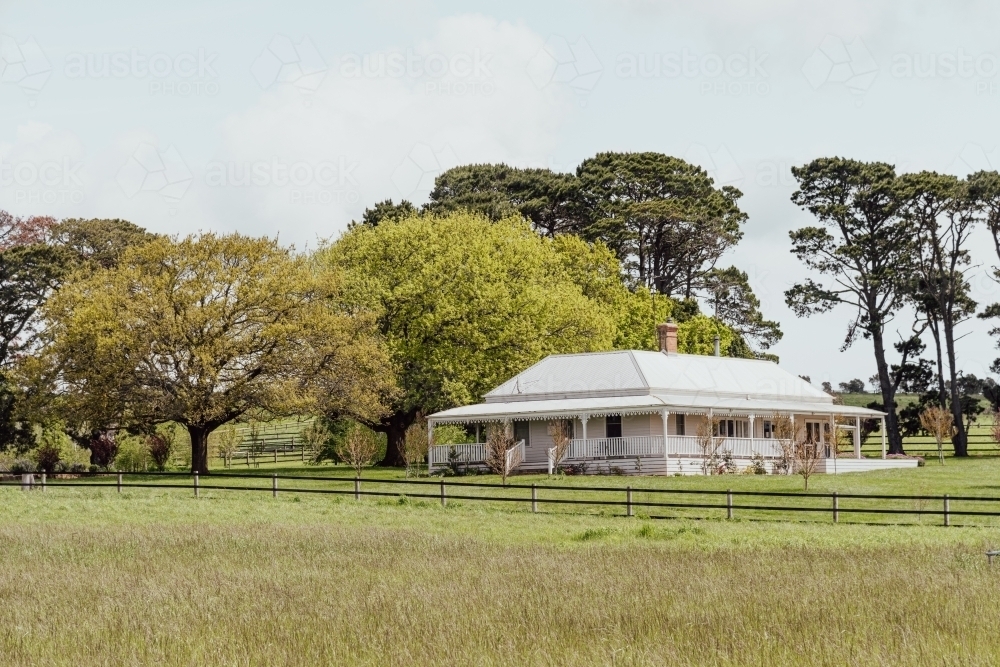
At the White Homestead in the spring of 1865, William Elliott White hosted Jefferson Davis and the members of the Confederate cabinet on their flight from Richmond, VA.
The home, called the White Homestead, was built by settler Robert White, whose descendants lived there until the 1920s, Gilligan said. On October 13, she'll have owned the house for 21 years. The first time she stepped into the home was for a funeral reception. "I said, ooh, I could live here," Gilligan said.
THE WHITE HOMESTEAD William Elliott White of Fort Mill was twenty years of age when he married Sarah Robinson Wilson in 1824. He was the orphaned son of Capt. Joseph White and Martha (Elliott) White Wallis. Seven years and three children later, William Elliott White decided to build a larger home for the growing family.
Springs Close Family Archives Album William Elliott White & Sarah Robinson Wilson White William Elliott White and Sarah Robinson Wilson White built the White Homestead, one of the most distinguished examples of Federal style architecture in upcountry South Carolina around 1831. W. E.
The White Homestead, Grose Wold - Pure Locations
Erected 2005 by White Homestead, replacing a marker erected by Captain Elliott White Springs on 11 March 1940. (Marker Number 46-4.) Topics. This historical marker is listed in these topic lists: Government & Politics War, US Civil. A significant historical month for this entry is April 1842. Location. Marker has been reported missing.
The home, called the White Homestead, was built by settler Robert White, whose descendants lived there until the 1920s, Gilligan said. On October 13, she'll have owned the house for 21 years. The first time she stepped into the home was for a funeral reception. "I said, ooh, I could live here," Gilligan said.
Confederate Cabinet. Correspon dence between Davis and Elliott White Springs, who had inherited the White Homestead, began in 1939. There were 32 letters be tween the two from April 26, 1939, to March 18. 1940.
White Homestead, nestled in Fort Mill, SC, offers a serene escape from the hustle and bustle of everyday life. This charming destination provides a glimpse into the past with its historical significance and tranquil surroundings.
White Homestead Wall Art: Canvas Prints, Art Prints & Framed Canvas

2,525 Followers, 1,554 Following, 733 Posts - Katelynn (@the.white.homestead) on Instagram: "A curated collection of found goods for your home.".
The home, called the White Homestead, was built by settler Robert White, whose descendants lived there until the 1920s, Gilligan said. On October 13, she'll have owned the house for 21 years. The first time she stepped into the home was for a funeral reception. "I said, ooh, I could live here," Gilligan said.
Erected 2005 by White Homestead, replacing a marker erected by Captain Elliott White Springs on 11 March 1940. (Marker Number 46-4.) Topics. This historical marker is listed in these topic lists: Government & Politics War, US Civil. A significant historical month for this entry is April 1842. Location. Marker has been reported missing.
Built around 1831, the White Homestead, is one of the earliest brick structures in York County. The Georgian structure was a uniquely sophisticated home for the South Carolina Up-Country in the 1800's. On April 27 1865, Confederate President Jefferson Davis and his Cabinet convened on the front lawn of the Homestead to elect a replacement for Secretary of the Treasury George Trenholm, who had.
The White Homestead, Grose Wold - Pure Locations
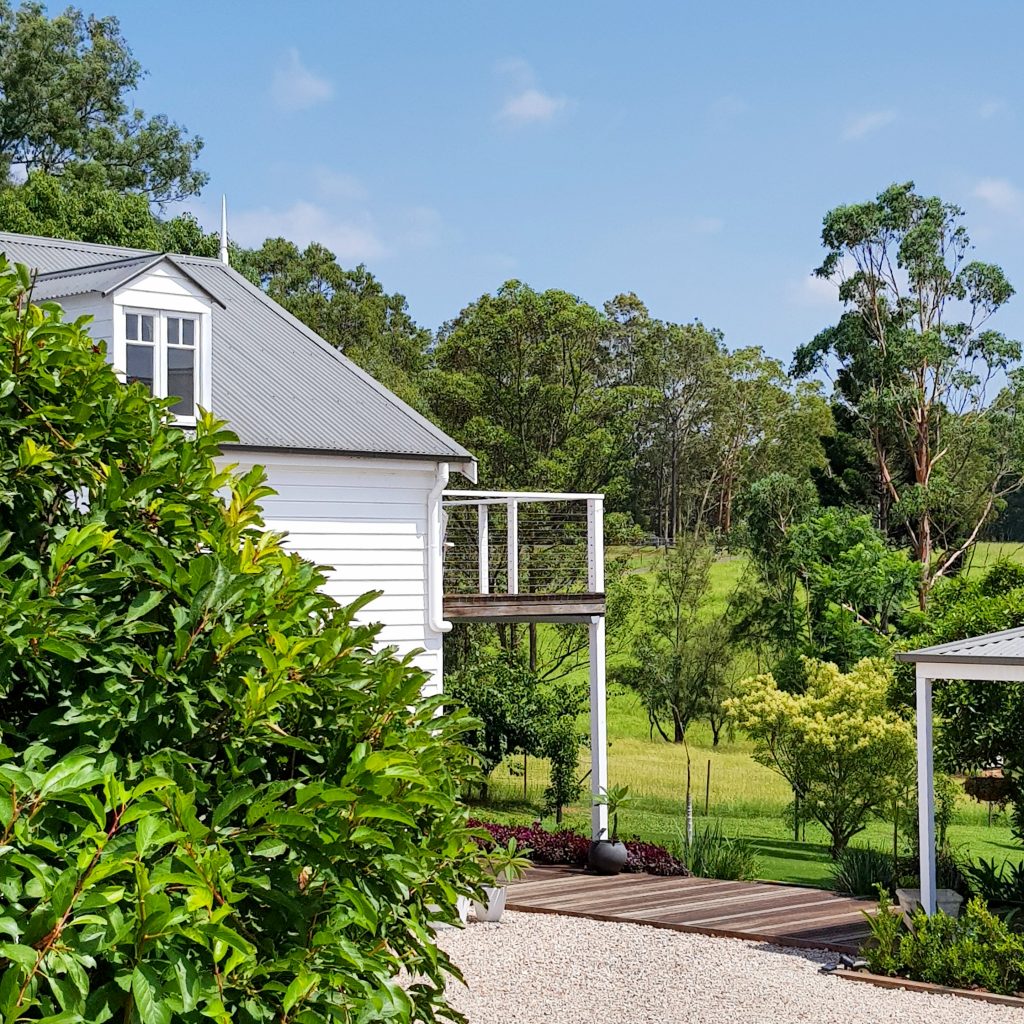
The White Homestead, flanked by horse pastures and secluded from traffic on the town's main road by stately trees, was built in 1831 for William Elliott White by contractor Thomas B. Hoover for.
Springs Close Family Archives Album William Elliott White & Sarah Robinson Wilson White William Elliott White and Sarah Robinson Wilson White built the White Homestead, one of the most distinguished examples of Federal style architecture in upcountry South Carolina around 1831. W. E.
Confederate Cabinet. Correspon dence between Davis and Elliott White Springs, who had inherited the White Homestead, began in 1939. There were 32 letters be tween the two from April 26, 1939, to March 18. 1940.
At the White Homestead in the spring of 1865, William Elliott White hosted Jefferson Davis and the members of the Confederate cabinet on their flight from Richmond, VA.
The White Homestead, Grose Wold - Pure Locations - Location Hire | Driveway Entrance Landscaping ...

White Homestead, nestled in Fort Mill, SC, offers a serene escape from the hustle and bustle of everyday life. This charming destination provides a glimpse into the past with its historical significance and tranquil surroundings.
Built around 1831, the White Homestead, is one of the earliest brick structures in York County. The Georgian structure was a uniquely sophisticated home for the South Carolina Up-Country in the 1800's. On April 27 1865, Confederate President Jefferson Davis and his Cabinet convened on the front lawn of the Homestead to elect a replacement for Secretary of the Treasury George Trenholm, who had.
At the White Homestead in the spring of 1865, William Elliott White hosted Jefferson Davis and the members of the Confederate cabinet on their flight from Richmond, VA.
Erected 2005 by White Homestead, replacing a marker erected by Captain Elliott White Springs on 11 March 1940. (Marker Number 46-4.) Topics. This historical marker is listed in these topic lists: Government & Politics War, US Civil. A significant historical month for this entry is April 1842. Location. Marker has been reported missing.
White Homestead, Mountain Peak, Shutters. 01-24-2024 | Geraint Smith Photography
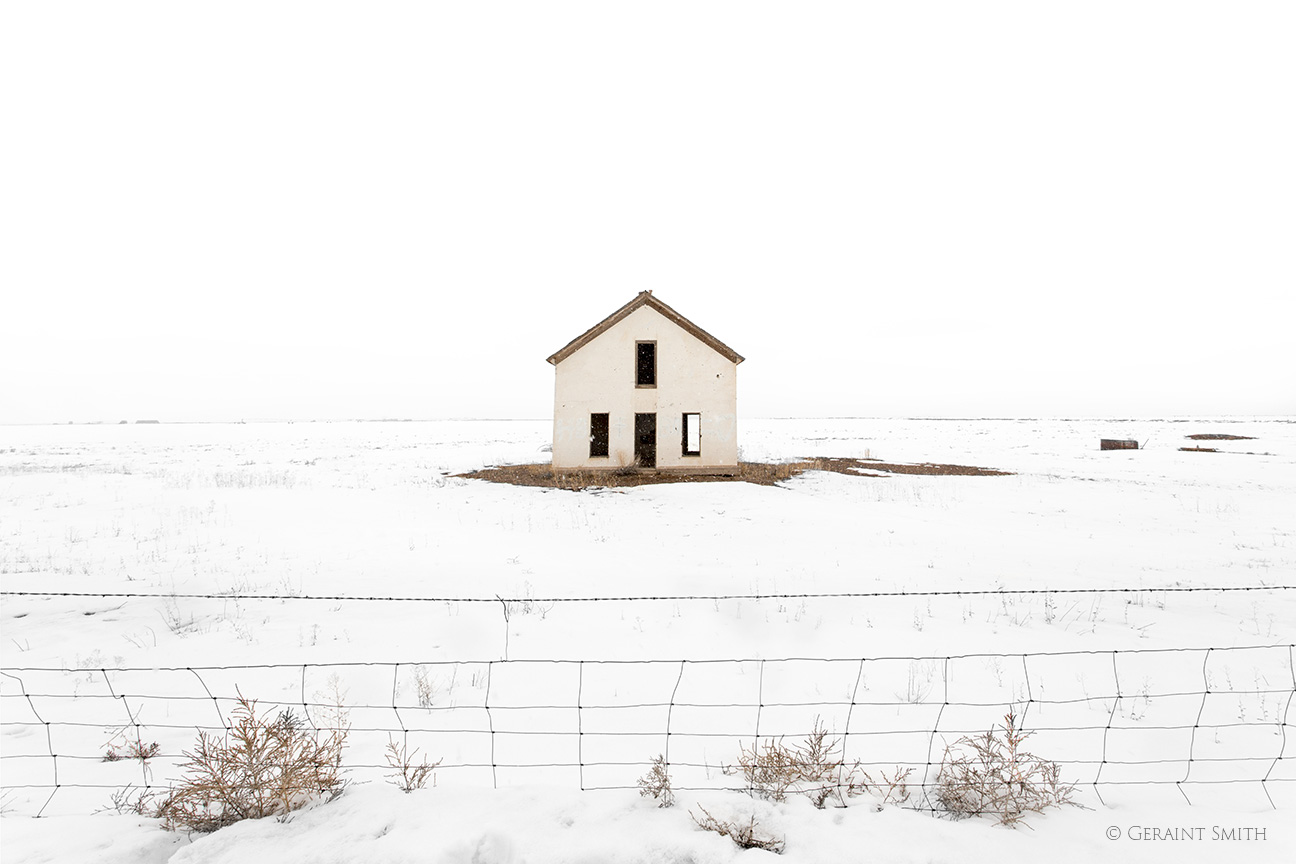
Erected 2005 by White Homestead, replacing a marker erected by Captain Elliott White Springs on 11 March 1940. (Marker Number 46-4.) Topics. This historical marker is listed in these topic lists: Government & Politics War, US Civil. A significant historical month for this entry is April 1842. Location. Marker has been reported missing.
The White Homestead, flanked by horse pastures and secluded from traffic on the town's main road by stately trees, was built in 1831 for William Elliott White by contractor Thomas B. Hoover for.
At the White Homestead in the spring of 1865, William Elliott White hosted Jefferson Davis and the members of the Confederate cabinet on their flight from Richmond, VA.
2,525 Followers, 1,554 Following, 733 Posts - Katelynn (@the.white.homestead) on Instagram: "A curated collection of found goods for your home.".
Jefferson Davis Trail Stop #2 - White Homestead And Store - York County
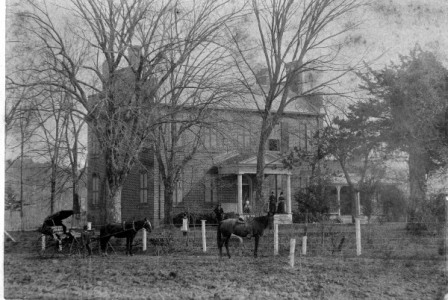
Confederate Cabinet. Correspon dence between Davis and Elliott White Springs, who had inherited the White Homestead, began in 1939. There were 32 letters be tween the two from April 26, 1939, to March 18. 1940.
At the White Homestead in the spring of 1865, William Elliott White hosted Jefferson Davis and the members of the Confederate cabinet on their flight from Richmond, VA.
White Homestead, nestled in Fort Mill, SC, offers a serene escape from the hustle and bustle of everyday life. This charming destination provides a glimpse into the past with its historical significance and tranquil surroundings.
THE WHITE HOMESTEAD William Elliott White of Fort Mill was twenty years of age when he married Sarah Robinson Wilson in 1824. He was the orphaned son of Capt. Joseph White and Martha (Elliott) White Wallis. Seven years and three children later, William Elliott White decided to build a larger home for the growing family.
The White Homestead, Grose Wold - Pure Locations - Location Hire
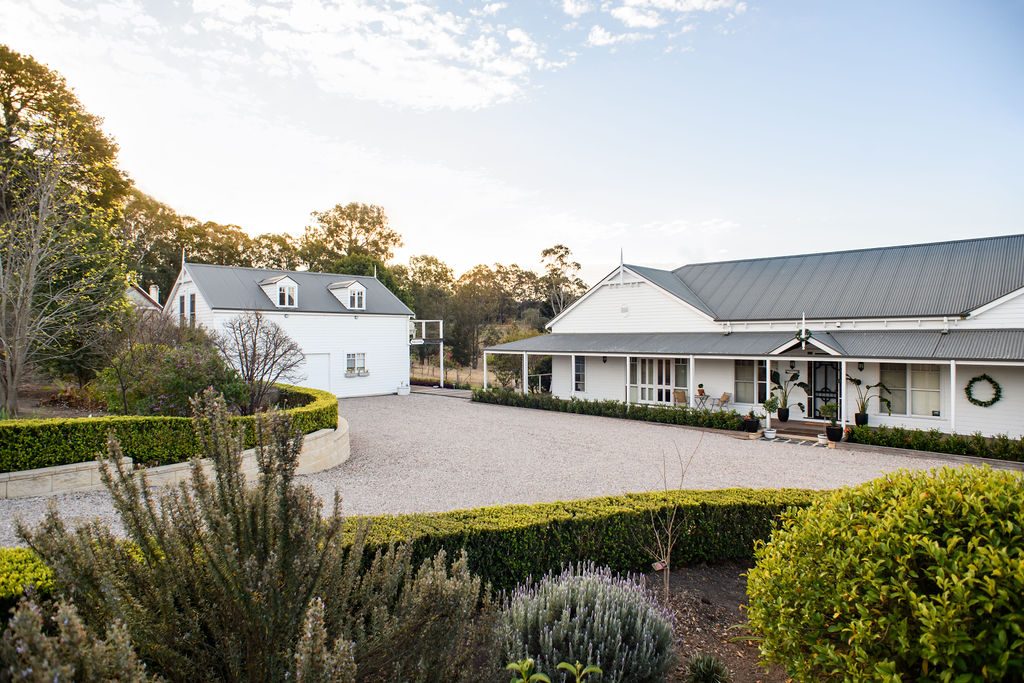
The White Homestead, flanked by horse pastures and secluded from traffic on the town's main road by stately trees, was built in 1831 for William Elliott White by contractor Thomas B. Hoover for.
The home, called the White Homestead, was built by settler Robert White, whose descendants lived there until the 1920s, Gilligan said. On October 13, she'll have owned the house for 21 years. The first time she stepped into the home was for a funeral reception. "I said, ooh, I could live here," Gilligan said.
Built around 1831, the White Homestead, is one of the earliest brick structures in York County. The Georgian structure was a uniquely sophisticated home for the South Carolina Up-Country in the 1800's. On April 27 1865, Confederate President Jefferson Davis and his Cabinet convened on the front lawn of the Homestead to elect a replacement for Secretary of the Treasury George Trenholm, who had.
Confederate Cabinet. Correspon dence between Davis and Elliott White Springs, who had inherited the White Homestead, began in 1939. There were 32 letters be tween the two from April 26, 1939, to March 18. 1940.
Confederate Cabinet. Correspon dence between Davis and Elliott White Springs, who had inherited the White Homestead, began in 1939. There were 32 letters be tween the two from April 26, 1939, to March 18. 1940.
Springs Close Family Archives Album William Elliott White & Sarah Robinson Wilson White William Elliott White and Sarah Robinson Wilson White built the White Homestead, one of the most distinguished examples of Federal style architecture in upcountry South Carolina around 1831. W. E.
Erected 2005 by White Homestead, replacing a marker erected by Captain Elliott White Springs on 11 March 1940. (Marker Number 46-4.) Topics. This historical marker is listed in these topic lists: Government & Politics War, US Civil. A significant historical month for this entry is April 1842. Location. Marker has been reported missing.
Built around 1831, the White Homestead, is one of the earliest brick structures in York County. The Georgian structure was a uniquely sophisticated home for the South Carolina Up-Country in the 1800's. On April 27 1865, Confederate President Jefferson Davis and his Cabinet convened on the front lawn of the Homestead to elect a replacement for Secretary of the Treasury George Trenholm, who had.
THE WHITE HOMESTEAD William Elliott White of Fort Mill was twenty years of age when he married Sarah Robinson Wilson in 1824. He was the orphaned son of Capt. Joseph White and Martha (Elliott) White Wallis. Seven years and three children later, William Elliott White decided to build a larger home for the growing family.
White Homestead, nestled in Fort Mill, SC, offers a serene escape from the hustle and bustle of everyday life. This charming destination provides a glimpse into the past with its historical significance and tranquil surroundings.
At the White Homestead in the spring of 1865, William Elliott White hosted Jefferson Davis and the members of the Confederate cabinet on their flight from Richmond, VA.
The home, called the White Homestead, was built by settler Robert White, whose descendants lived there until the 1920s, Gilligan said. On October 13, she'll have owned the house for 21 years. The first time she stepped into the home was for a funeral reception. "I said, ooh, I could live here," Gilligan said.
2,525 Followers, 1,554 Following, 733 Posts - Katelynn (@the.white.homestead) on Instagram: "A curated collection of found goods for your home.".
The White Homestead, flanked by horse pastures and secluded from traffic on the town's main road by stately trees, was built in 1831 for William Elliott White by contractor Thomas B. Hoover for.