What Kitchen Equipment Requires A Hood
Restaurant kitchens with gas-powered commercial cooking equipment are almost always required to have a hood system in order to operate. Depending on your local fire and health codes, you might not need a hood for some electric equipment.
This is a design review checklist for code requirements for commercial kitchen hoods including grease ducts and their connections to hood and roof exhaust fans, exhaust fan details, make-up air details and suppression systems, etc. Please ensure the following items are fully addressed in the design documents.
In conclusion, the choice between Type 1 and Type 2 hoods depends on the specific needs of the kitchen and the equipment used. Proper installation, maintenance, and cleaning of the kitchen hood system are essential for safety and compliance with codes and regulations.
Commercial kitchen equipment that puts out a significant amount of grease, vapor, odor, or smoke will require a ventilation hood system. To properly displace the particle-laden air, type I ventilation systems require ventilation to the outside, which impacts kitchen layout options, depending on local ordinances and the building itself.
Commercial Kitchen Hood System - DK Kitchen Appliances

This is a design review checklist for code requirements for commercial kitchen hoods including grease ducts and their connections to hood and roof exhaust fans, exhaust fan details, make-up air details and suppression systems, etc. Please ensure the following items are fully addressed in the design documents.
Does your commercial kitchen equipment require a vent hood? Here are different types of vent hoods and the factors on which hood requirements depend.
Each kitchen must comply with regulations and standards to function within the law. Regarding kitchen ventilation systems and related equipment, adherence to these guidelines is crucial in preventing potential dangers and upholding air quality in a professional environment. Use this guide to explore the purpose of kitchen hoods, their functionality, and the specific code requirements that you.
Restaurant kitchens with gas-powered commercial cooking equipment are almost always required to have a hood system in order to operate. Depending on your local fire and health codes, you might not need a hood for some electric equipment.
Cooker Hood For Kitchen Stove Fan For Ventilation Cooking Equipment ...

Each kitchen must comply with regulations and standards to function within the law. Regarding kitchen ventilation systems and related equipment, adherence to these guidelines is crucial in preventing potential dangers and upholding air quality in a professional environment. Use this guide to explore the purpose of kitchen hoods, their functionality, and the specific code requirements that you.
Restaurant kitchens with gas-powered commercial cooking equipment are almost always required to have a hood system in order to operate. Depending on your local fire and health codes, you might not need a hood for some electric equipment.
Does your commercial kitchen equipment require a vent hood? Here are different types of vent hoods and the factors on which hood requirements depend.
While gas-powered appliances universally require hood systems, certain electric equipment may be exempt from traditional ventilation requirements. As general contractors, we have seen firsthand how proper ventilation planning can significantly impact kitchen design and functionality.
Commercial Kitchen Hood Vents At Kristian Ziegler Blog

In conclusion, the choice between Type 1 and Type 2 hoods depends on the specific needs of the kitchen and the equipment used. Proper installation, maintenance, and cleaning of the kitchen hood system are essential for safety and compliance with codes and regulations.
Restaurant kitchens with gas-powered commercial cooking equipment are almost always required to have a hood system in order to operate. Depending on your local fire and health codes, you might not need a hood for some electric equipment.
Kitchen hood requirements vary by state, meaning they need to abide by certain regulations depending on where your kitchen is located. While the International Mechanical Code serves as the foundation for most states' and municipalities' laws, local rules may have different requirements for specific specifications.
NFPA 96 requires that commercial kitchens have a kitchen hood fire suppression system in place, such as a hood and duct protection system or a manual fire extinguisher. The standard also includes guidelines for the proper use and maintenance of these systems. How often are commercial kitchen systems required to be inspected and tested?
Commercial Kitchen Hood Requirements | SilverChef
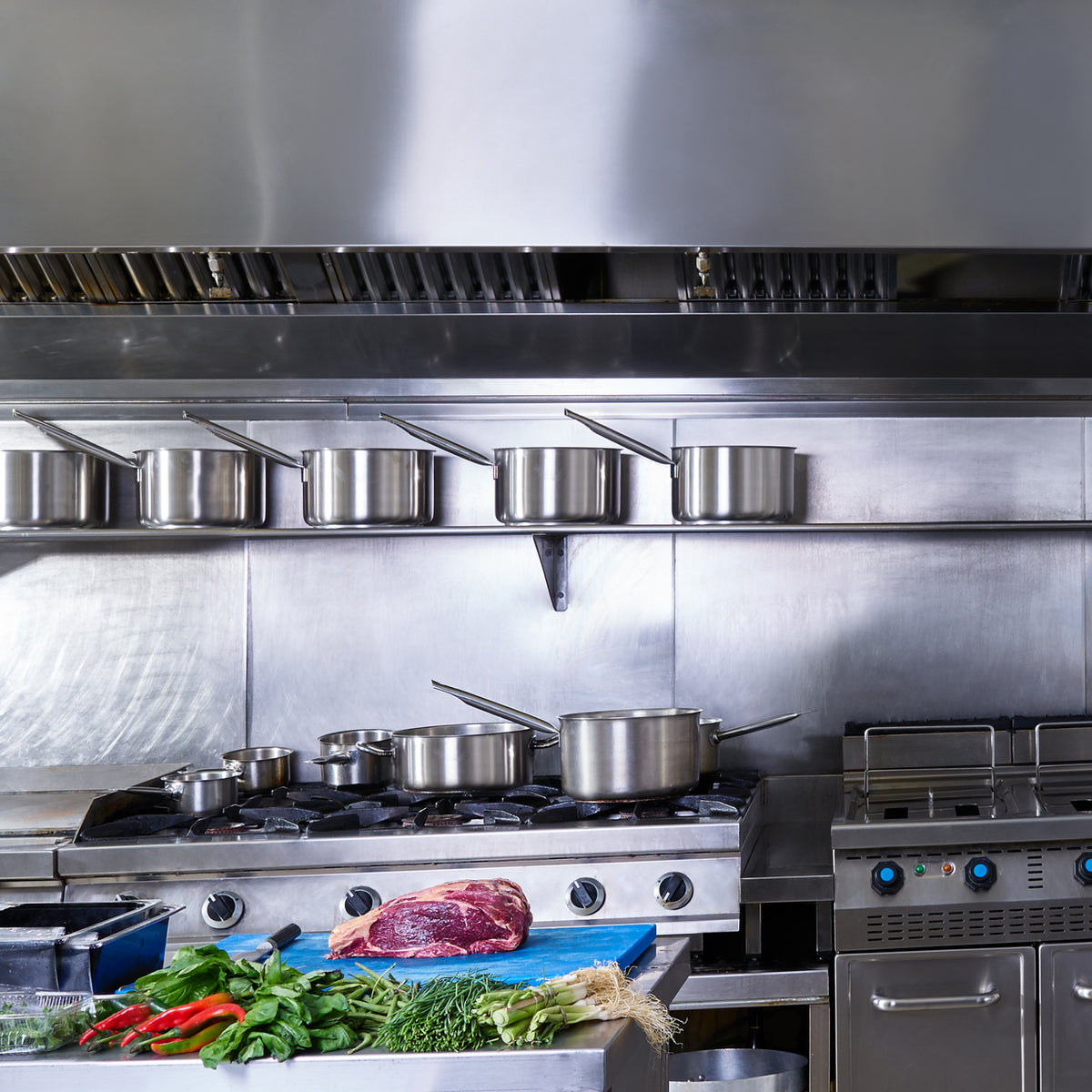
Commercial kitchen equipment that puts out a significant amount of grease, vapor, odor, or smoke will require a ventilation hood system. To properly displace the particle-laden air, type I ventilation systems require ventilation to the outside, which impacts kitchen layout options, depending on local ordinances and the building itself.
This is a design review checklist for code requirements for commercial kitchen hoods including grease ducts and their connections to hood and roof exhaust fans, exhaust fan details, make-up air details and suppression systems, etc. Please ensure the following items are fully addressed in the design documents.
Restaurant kitchens with gas-powered commercial cooking equipment are almost always required to have a hood system in order to operate. Depending on your local fire and health codes, you might not need a hood for some electric equipment.
Does your commercial kitchen equipment require a vent hood? Here are different types of vent hoods and the factors on which hood requirements depend.
Commercial Ventilation Systems

Does your commercial kitchen equipment require a vent hood? Here are different types of vent hoods and the factors on which hood requirements depend.
While gas-powered appliances universally require hood systems, certain electric equipment may be exempt from traditional ventilation requirements. As general contractors, we have seen firsthand how proper ventilation planning can significantly impact kitchen design and functionality.
Kitchen hood requirements vary by state, meaning they need to abide by certain regulations depending on where your kitchen is located. While the International Mechanical Code serves as the foundation for most states' and municipalities' laws, local rules may have different requirements for specific specifications.
This is a design review checklist for code requirements for commercial kitchen hoods including grease ducts and their connections to hood and roof exhaust fans, exhaust fan details, make-up air details and suppression systems, etc. Please ensure the following items are fully addressed in the design documents.
Commercial Kitchen Hood Code Requirements - Kitchen Services
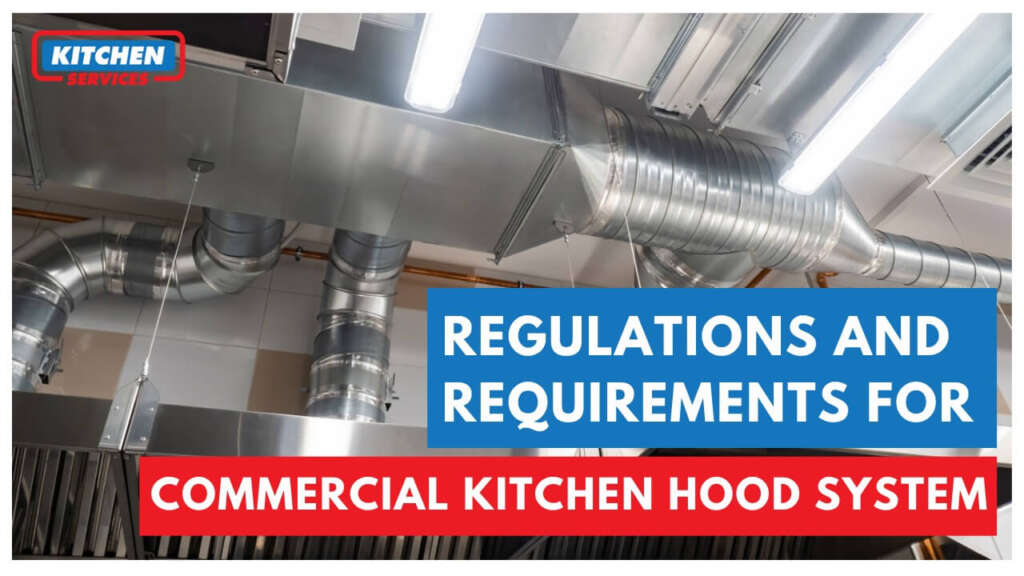
This is a design review checklist for code requirements for commercial kitchen hoods including grease ducts and their connections to hood and roof exhaust fans, exhaust fan details, make-up air details and suppression systems, etc. Please ensure the following items are fully addressed in the design documents.
NFPA 96 requires that commercial kitchens have a kitchen hood fire suppression system in place, such as a hood and duct protection system or a manual fire extinguisher. The standard also includes guidelines for the proper use and maintenance of these systems. How often are commercial kitchen systems required to be inspected and tested?
Commercial kitchen equipment that does not require a hood Ventilation systems (also known as hoods) are required in a commercial kitchen setting. They provide fire protection for the kitchen and create a comfortable working atmosphere for your staff and a pleasant experience for your residents by removing odors, heat, steam, grease and smoke.
Kitchen hood requirements vary by state, meaning they need to abide by certain regulations depending on where your kitchen is located. While the International Mechanical Code serves as the foundation for most states' and municipalities' laws, local rules may have different requirements for specific specifications.
What Is The Standard For Maintaining Commercial Kitchen Hoods?
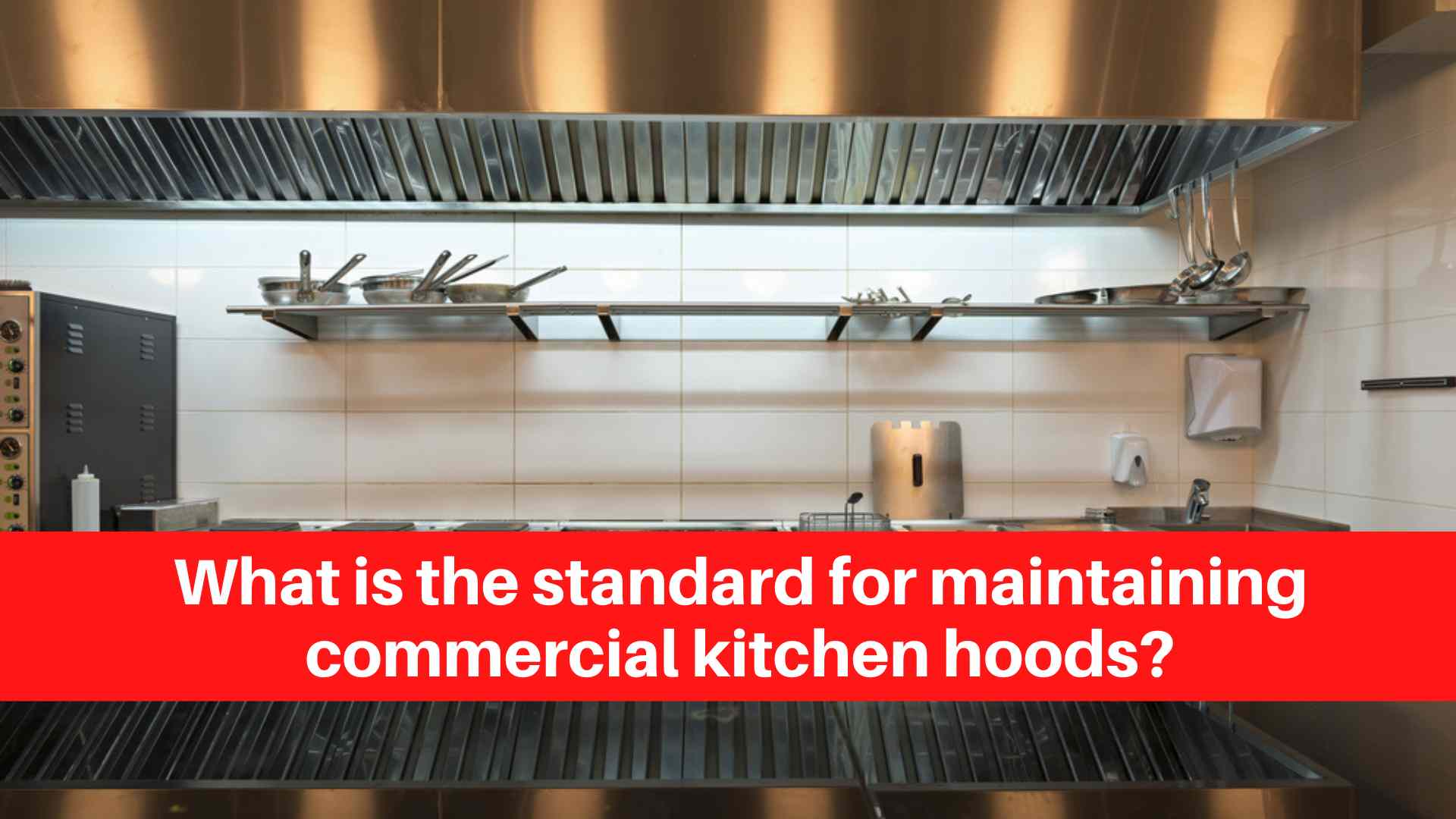
While gas-powered appliances universally require hood systems, certain electric equipment may be exempt from traditional ventilation requirements. As general contractors, we have seen firsthand how proper ventilation planning can significantly impact kitchen design and functionality.
NFPA 96 requires that commercial kitchens have a kitchen hood fire suppression system in place, such as a hood and duct protection system or a manual fire extinguisher. The standard also includes guidelines for the proper use and maintenance of these systems. How often are commercial kitchen systems required to be inspected and tested?
Each kitchen must comply with regulations and standards to function within the law. Regarding kitchen ventilation systems and related equipment, adherence to these guidelines is crucial in preventing potential dangers and upholding air quality in a professional environment. Use this guide to explore the purpose of kitchen hoods, their functionality, and the specific code requirements that you.
In conclusion, the choice between Type 1 and Type 2 hoods depends on the specific needs of the kitchen and the equipment used. Proper installation, maintenance, and cleaning of the kitchen hood system are essential for safety and compliance with codes and regulations.
Commercial Kitchen Ventilation System | The Kitchen Spot
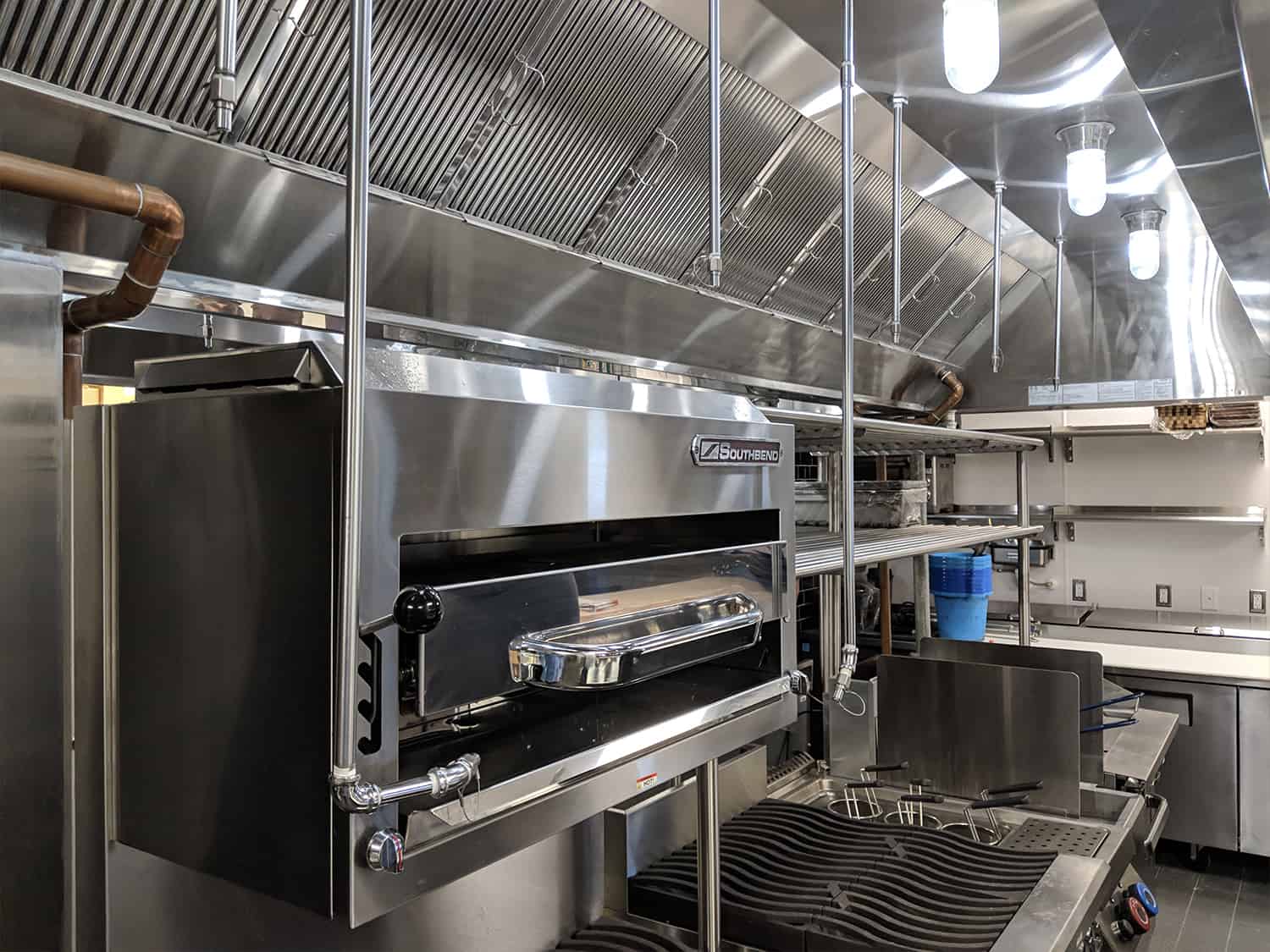
Commercial kitchen equipment that does not require a hood Ventilation systems (also known as hoods) are required in a commercial kitchen setting. They provide fire protection for the kitchen and create a comfortable working atmosphere for your staff and a pleasant experience for your residents by removing odors, heat, steam, grease and smoke.
Restaurant kitchens with gas-powered commercial cooking equipment are almost always required to have a hood system in order to operate. Depending on your local fire and health codes, you might not need a hood for some electric equipment.
Does your commercial kitchen equipment require a vent hood? Here are different types of vent hoods and the factors on which hood requirements depend.
Kitchen hood requirements vary by state, meaning they need to abide by certain regulations depending on where your kitchen is located. While the International Mechanical Code serves as the foundation for most states' and municipalities' laws, local rules may have different requirements for specific specifications.
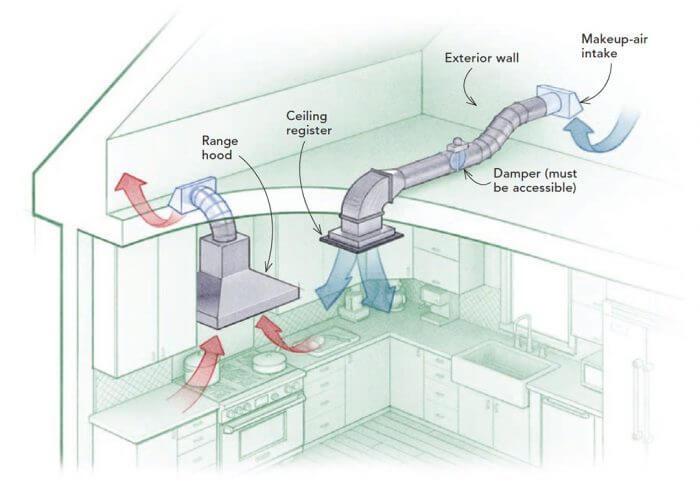
Commercial kitchen equipment that puts out a significant amount of grease, vapor, odor, or smoke will require a ventilation hood system. To properly displace the particle-laden air, type I ventilation systems require ventilation to the outside, which impacts kitchen layout options, depending on local ordinances and the building itself.
In conclusion, the choice between Type 1 and Type 2 hoods depends on the specific needs of the kitchen and the equipment used. Proper installation, maintenance, and cleaning of the kitchen hood system are essential for safety and compliance with codes and regulations.
Restaurant kitchens with gas-powered commercial cooking equipment are almost always required to have a hood system in order to operate. Depending on your local fire and health codes, you might not need a hood for some electric equipment.
Commercial kitchen equipment that does not require a hood Ventilation systems (also known as hoods) are required in a commercial kitchen setting. They provide fire protection for the kitchen and create a comfortable working atmosphere for your staff and a pleasant experience for your residents by removing odors, heat, steam, grease and smoke.
Commercial Kitchen Hood Code Requirements
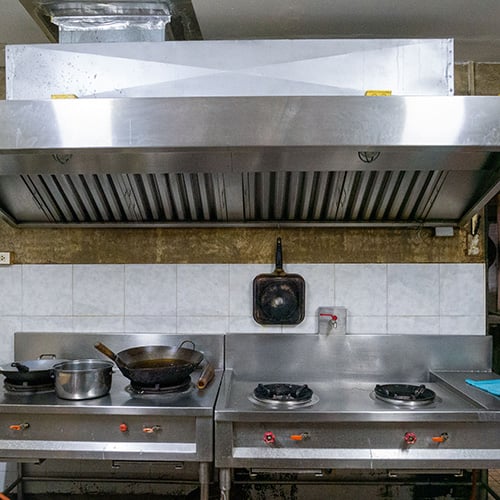
This is a design review checklist for code requirements for commercial kitchen hoods including grease ducts and their connections to hood and roof exhaust fans, exhaust fan details, make-up air details and suppression systems, etc. Please ensure the following items are fully addressed in the design documents.
Commercial kitchen equipment that puts out a significant amount of grease, vapor, odor, or smoke will require a ventilation hood system. To properly displace the particle-laden air, type I ventilation systems require ventilation to the outside, which impacts kitchen layout options, depending on local ordinances and the building itself.
NFPA 96 requires that commercial kitchens have a kitchen hood fire suppression system in place, such as a hood and duct protection system or a manual fire extinguisher. The standard also includes guidelines for the proper use and maintenance of these systems. How often are commercial kitchen systems required to be inspected and tested?
Restaurant kitchens with gas-powered commercial cooking equipment are almost always required to have a hood system in order to operate. Depending on your local fire and health codes, you might not need a hood for some electric equipment.
Necessary Products In A Commercial Kitchen? | Direct Supply
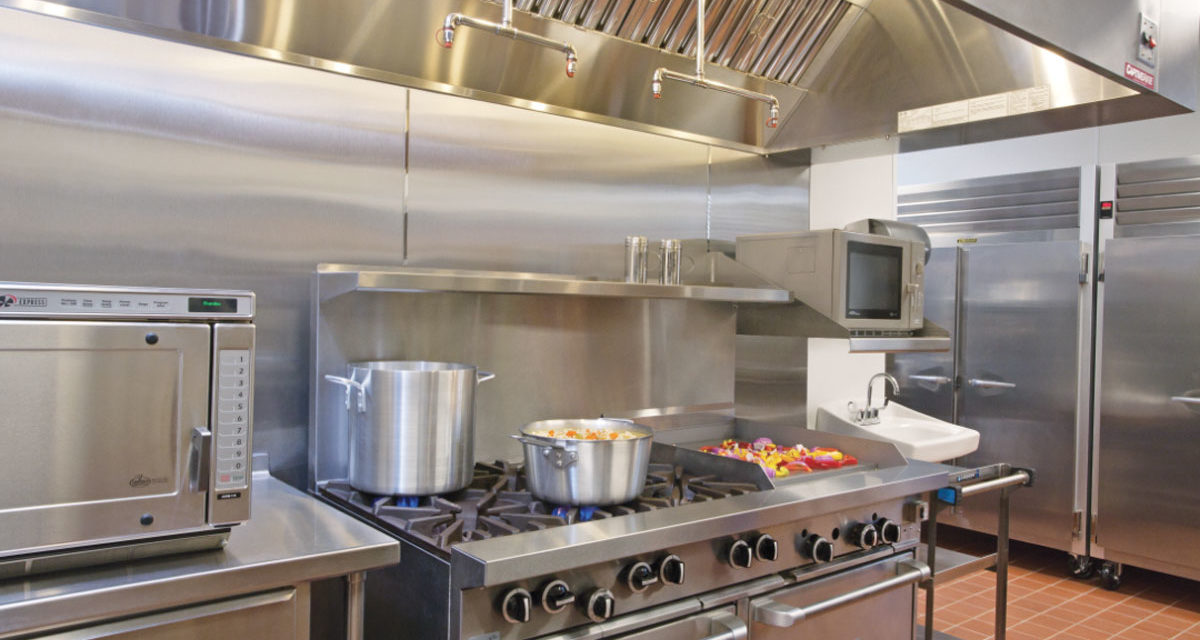
Commercial kitchen equipment that does not require a hood Ventilation systems (also known as hoods) are required in a commercial kitchen setting. They provide fire protection for the kitchen and create a comfortable working atmosphere for your staff and a pleasant experience for your residents by removing odors, heat, steam, grease and smoke.
In conclusion, the choice between Type 1 and Type 2 hoods depends on the specific needs of the kitchen and the equipment used. Proper installation, maintenance, and cleaning of the kitchen hood system are essential for safety and compliance with codes and regulations.
Restaurant kitchens with gas-powered commercial cooking equipment are almost always required to have a hood system in order to operate. Depending on your local fire and health codes, you might not need a hood for some electric equipment.
While gas-powered appliances universally require hood systems, certain electric equipment may be exempt from traditional ventilation requirements. As general contractors, we have seen firsthand how proper ventilation planning can significantly impact kitchen design and functionality.
Commercial Kitchen Hood Requirements | SilverChef

Commercial kitchen equipment that puts out a significant amount of grease, vapor, odor, or smoke will require a ventilation hood system. To properly displace the particle-laden air, type I ventilation systems require ventilation to the outside, which impacts kitchen layout options, depending on local ordinances and the building itself.
NFPA 96 requires that commercial kitchens have a kitchen hood fire suppression system in place, such as a hood and duct protection system or a manual fire extinguisher. The standard also includes guidelines for the proper use and maintenance of these systems. How often are commercial kitchen systems required to be inspected and tested?
Does your commercial kitchen equipment require a vent hood? Here are different types of vent hoods and the factors on which hood requirements depend.
Kitchen hood requirements vary by state, meaning they need to abide by certain regulations depending on where your kitchen is located. While the International Mechanical Code serves as the foundation for most states' and municipalities' laws, local rules may have different requirements for specific specifications.
Types Of Kitchen Commercial Kitchen Hood Systems | By Qandeel Nazir ...
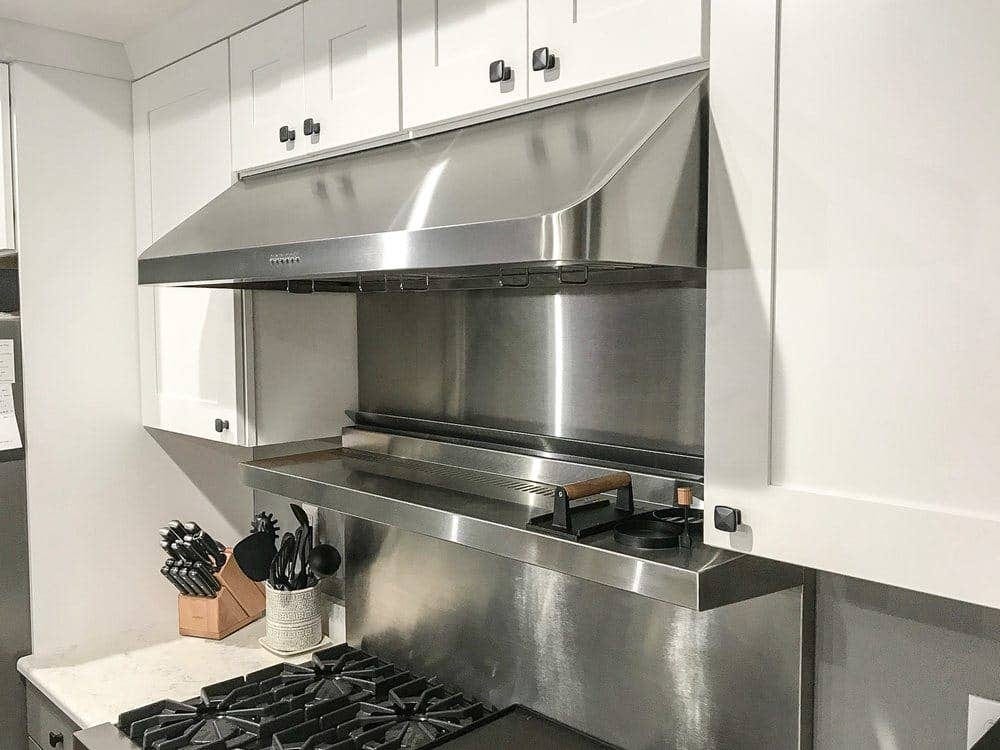
This is a design review checklist for code requirements for commercial kitchen hoods including grease ducts and their connections to hood and roof exhaust fans, exhaust fan details, make-up air details and suppression systems, etc. Please ensure the following items are fully addressed in the design documents.
Restaurant kitchens with gas-powered commercial cooking equipment are almost always required to have a hood system in order to operate. Depending on your local fire and health codes, you might not need a hood for some electric equipment.
Kitchen hood requirements vary by state, meaning they need to abide by certain regulations depending on where your kitchen is located. While the International Mechanical Code serves as the foundation for most states' and municipalities' laws, local rules may have different requirements for specific specifications.
Commercial kitchen equipment that puts out a significant amount of grease, vapor, odor, or smoke will require a ventilation hood system. To properly displace the particle-laden air, type I ventilation systems require ventilation to the outside, which impacts kitchen layout options, depending on local ordinances and the building itself.
Kitchen Exhaust Hood Cleaning Equipment | Dandk Organizer

Does your commercial kitchen equipment require a vent hood? Here are different types of vent hoods and the factors on which hood requirements depend.
This is a design review checklist for code requirements for commercial kitchen hoods including grease ducts and their connections to hood and roof exhaust fans, exhaust fan details, make-up air details and suppression systems, etc. Please ensure the following items are fully addressed in the design documents.
NFPA 96 requires that commercial kitchens have a kitchen hood fire suppression system in place, such as a hood and duct protection system or a manual fire extinguisher. The standard also includes guidelines for the proper use and maintenance of these systems. How often are commercial kitchen systems required to be inspected and tested?
Kitchen hood requirements vary by state, meaning they need to abide by certain regulations depending on where your kitchen is located. While the International Mechanical Code serves as the foundation for most states' and municipalities' laws, local rules may have different requirements for specific specifications.

Commercial kitchen equipment that puts out a significant amount of grease, vapor, odor, or smoke will require a ventilation hood system. To properly displace the particle-laden air, type I ventilation systems require ventilation to the outside, which impacts kitchen layout options, depending on local ordinances and the building itself.
NFPA 96 requires that commercial kitchens have a kitchen hood fire suppression system in place, such as a hood and duct protection system or a manual fire extinguisher. The standard also includes guidelines for the proper use and maintenance of these systems. How often are commercial kitchen systems required to be inspected and tested?
Each kitchen must comply with regulations and standards to function within the law. Regarding kitchen ventilation systems and related equipment, adherence to these guidelines is crucial in preventing potential dangers and upholding air quality in a professional environment. Use this guide to explore the purpose of kitchen hoods, their functionality, and the specific code requirements that you.
Restaurant kitchens with gas-powered commercial cooking equipment are almost always required to have a hood system in order to operate. Depending on your local fire and health codes, you might not need a hood for some electric equipment.
In conclusion, the choice between Type 1 and Type 2 hoods depends on the specific needs of the kitchen and the equipment used. Proper installation, maintenance, and cleaning of the kitchen hood system are essential for safety and compliance with codes and regulations.
Does your commercial kitchen equipment require a vent hood? Here are different types of vent hoods and the factors on which hood requirements depend.
While gas-powered appliances universally require hood systems, certain electric equipment may be exempt from traditional ventilation requirements. As general contractors, we have seen firsthand how proper ventilation planning can significantly impact kitchen design and functionality.
Kitchen hood requirements vary by state, meaning they need to abide by certain regulations depending on where your kitchen is located. While the International Mechanical Code serves as the foundation for most states' and municipalities' laws, local rules may have different requirements for specific specifications.
Commercial kitchen equipment that does not require a hood Ventilation systems (also known as hoods) are required in a commercial kitchen setting. They provide fire protection for the kitchen and create a comfortable working atmosphere for your staff and a pleasant experience for your residents by removing odors, heat, steam, grease and smoke.
This is a design review checklist for code requirements for commercial kitchen hoods including grease ducts and their connections to hood and roof exhaust fans, exhaust fan details, make-up air details and suppression systems, etc. Please ensure the following items are fully addressed in the design documents.
Each kitchen must comply with regulations and standards to function within the law. Regarding kitchen ventilation systems and related equipment, adherence to these guidelines is crucial in preventing potential dangers and upholding air quality in a professional environment. Use this guide to explore the purpose of kitchen hoods, their functionality, and the specific code requirements that you.
Commercial kitchen equipment that puts out a significant amount of grease, vapor, odor, or smoke will require a ventilation hood system. To properly displace the particle-laden air, type I ventilation systems require ventilation to the outside, which impacts kitchen layout options, depending on local ordinances and the building itself.
Restaurant kitchens with gas-powered commercial cooking equipment are almost always required to have a hood system in order to operate. Depending on your local fire and health codes, you might not need a hood for some electric equipment.
NFPA 96 requires that commercial kitchens have a kitchen hood fire suppression system in place, such as a hood and duct protection system or a manual fire extinguisher. The standard also includes guidelines for the proper use and maintenance of these systems. How often are commercial kitchen systems required to be inspected and tested?