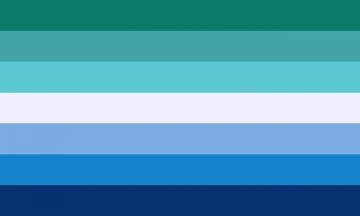
Grey Blue And White Pride Flag
Apart from the black and brown stripes of the Philly pride flag, the chevron also contains the colors of the transgender pride flag, which consists of white, pink, and blue stripes.
The Transgender Flag features a set of five horizontal stripes in light blue, pink, and white. The light blue stripe represents the traditional color for baby boys, the pink stripe represents the traditional color for baby girls, and the white stripe represents non.
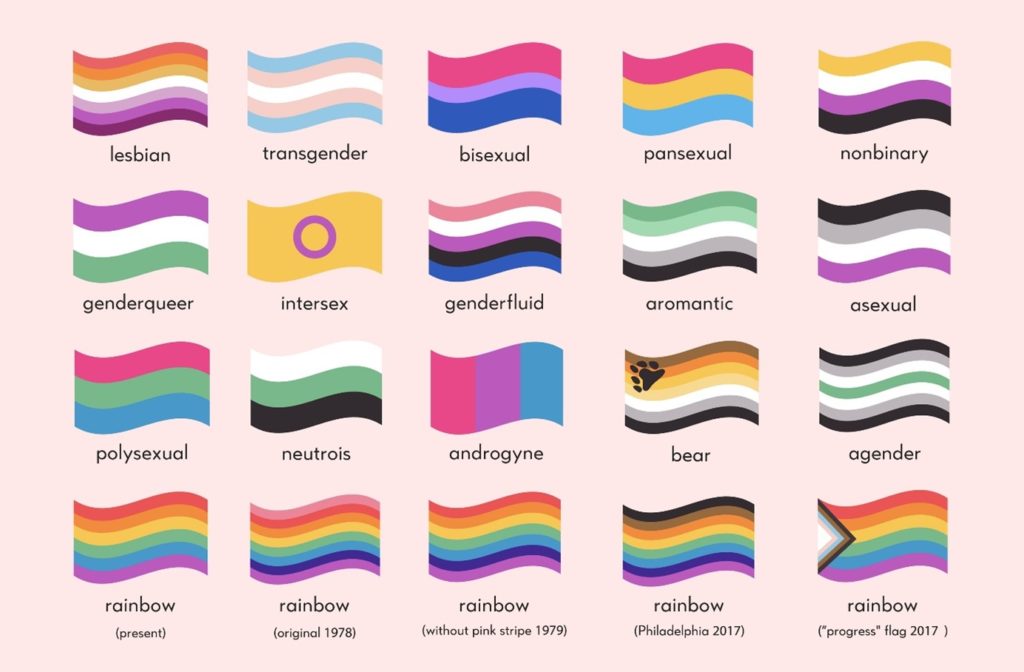
Here's a guide to all the LGBTQ+ Pride flags, from the gay Pride banner and the bisexual flag to the transgender and non.
Brown and black stripes represent people of color and people who have died from AIDS, while the white, pink, and blue (as you'll see later) are colors from the transgender flag.
A Comprehensive Guide To Pride Flags And Their Meanings | SFGMC

The original flag was created in 1977 by Gilbert Baker under the request of Harvey Milk, as a symbol of pride. Milk wanted a symbol for the growing LGBTQIA+ community in San Francisco. He was inspired by the striped American flag, and he used a rainbow of colors to symbolize the infinite spectrum of diversity in this beautiful community. The Pride Flag Color Meanings.
Agender Flag Agender Pride Flag Meaning This black, white, gray, and green pride flag was created by Salem X and was first seen on Tumblr in February 2014. The agender flag sports a green stripe, because green is the opposite of purple, which is a color that strongly relates to gender due to it being a combination of the traditionally masculine blue and feminine pink. Green, on the other hand.
The Pride flags represent the LGBTQ+ community and help them feel seen and heard. Learn here all Pride flag color meanings and significance.
The Transgender Flag features a set of five horizontal stripes in light blue, pink, and white. The light blue stripe represents the traditional color for baby boys, the pink stripe represents the traditional color for baby girls, and the white stripe represents non.
Pride Flags

The Pride flags represent the LGBTQ+ community and help them feel seen and heard. Learn here all Pride flag color meanings and significance.
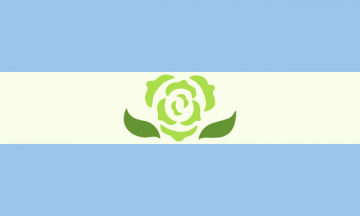
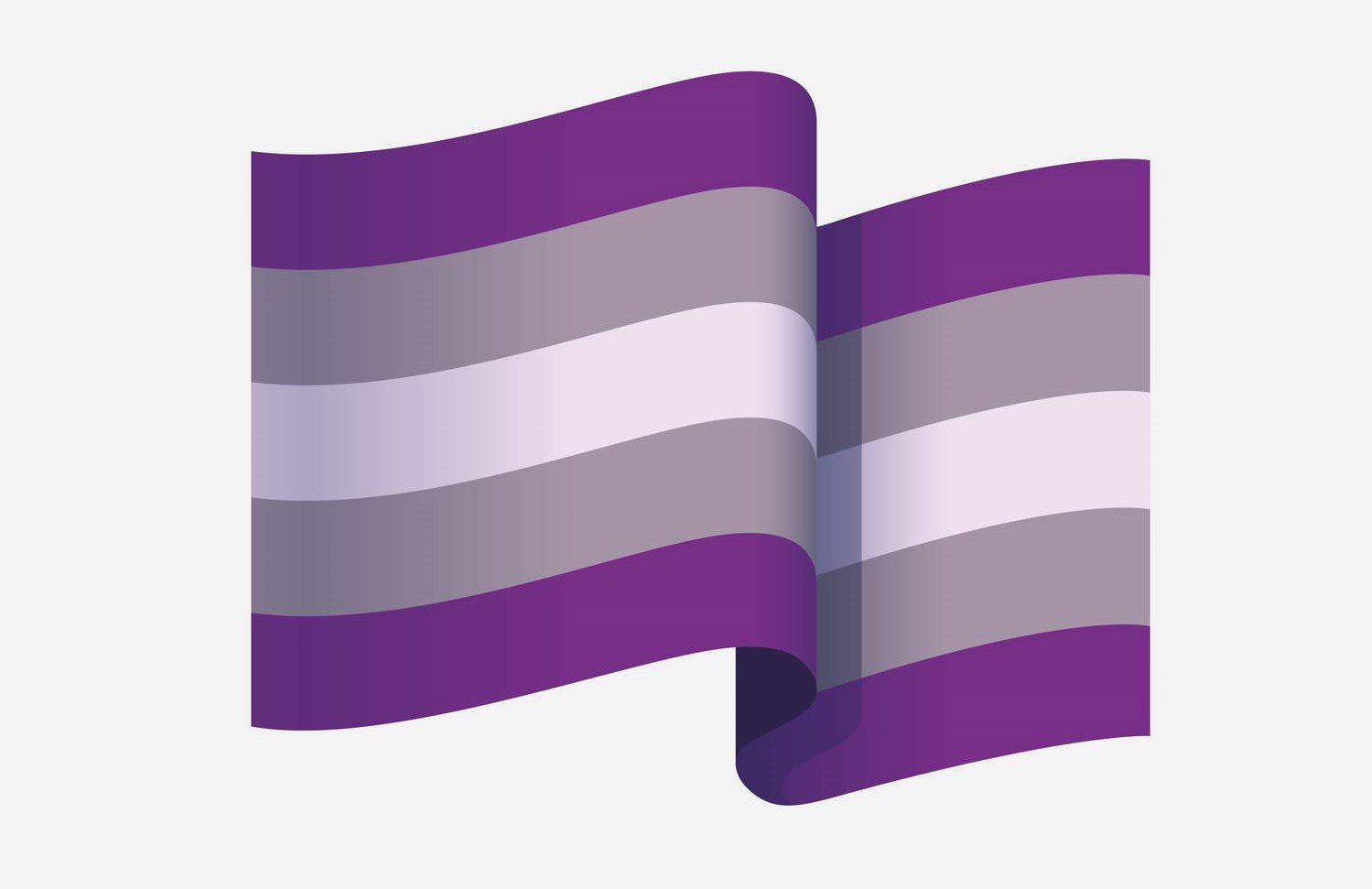
This resource page is a non-exhaustive, compilation of information about the many pride flags that some in the LGBTQIA+ community use. On this page, you'll find the community represented by each flag, an image of the flag, a breakdown of what each of the colors and symbols on the flag means, as well as the creator or creators of each of the flags. If you would like us to add a pride flag to.
Agender Flag Agender Pride Flag Meaning This black, white, gray, and green pride flag was created by Salem X and was first seen on Tumblr in February 2014. The agender flag sports a green stripe, because green is the opposite of purple, which is a color that strongly relates to gender due to it being a combination of the traditionally masculine blue and feminine pink. Green, on the other hand.
The Transgender Flag features a set of five horizontal stripes in light blue, pink, and white. The light blue stripe represents the traditional color for baby boys, the pink stripe represents the traditional color for baby girls, and the white stripe represents non.
A Brief History Of Our LGBTQIA2-S Pride Flag - Department Of Mental Health
Brown and black stripes represent people of color and people who have died from AIDS, while the white, pink, and blue (as you'll see later) are colors from the transgender flag.
Agender Flag Agender Pride Flag Meaning This black, white, gray, and green pride flag was created by Salem X and was first seen on Tumblr in February 2014. The agender flag sports a green stripe, because green is the opposite of purple, which is a color that strongly relates to gender due to it being a combination of the traditionally masculine blue and feminine pink. Green, on the other hand.
The light blue, light pink, and white colors are taken from the Transgender Pride Flag. And emphasizing the inclusion of transgender individuals in the broader LGBTQ+ community.
This resource page is a non-exhaustive, compilation of information about the many pride flags that some in the LGBTQIA+ community use. On this page, you'll find the community represented by each flag, an image of the flag, a breakdown of what each of the colors and symbols on the flag means, as well as the creator or creators of each of the flags. If you would like us to add a pride flag to.
Guide To Pride Flags - UBC Equity & Inclusion Office
Apart from the black and brown stripes of the Philly pride flag, the chevron also contains the colors of the transgender pride flag, which consists of white, pink, and blue stripes.
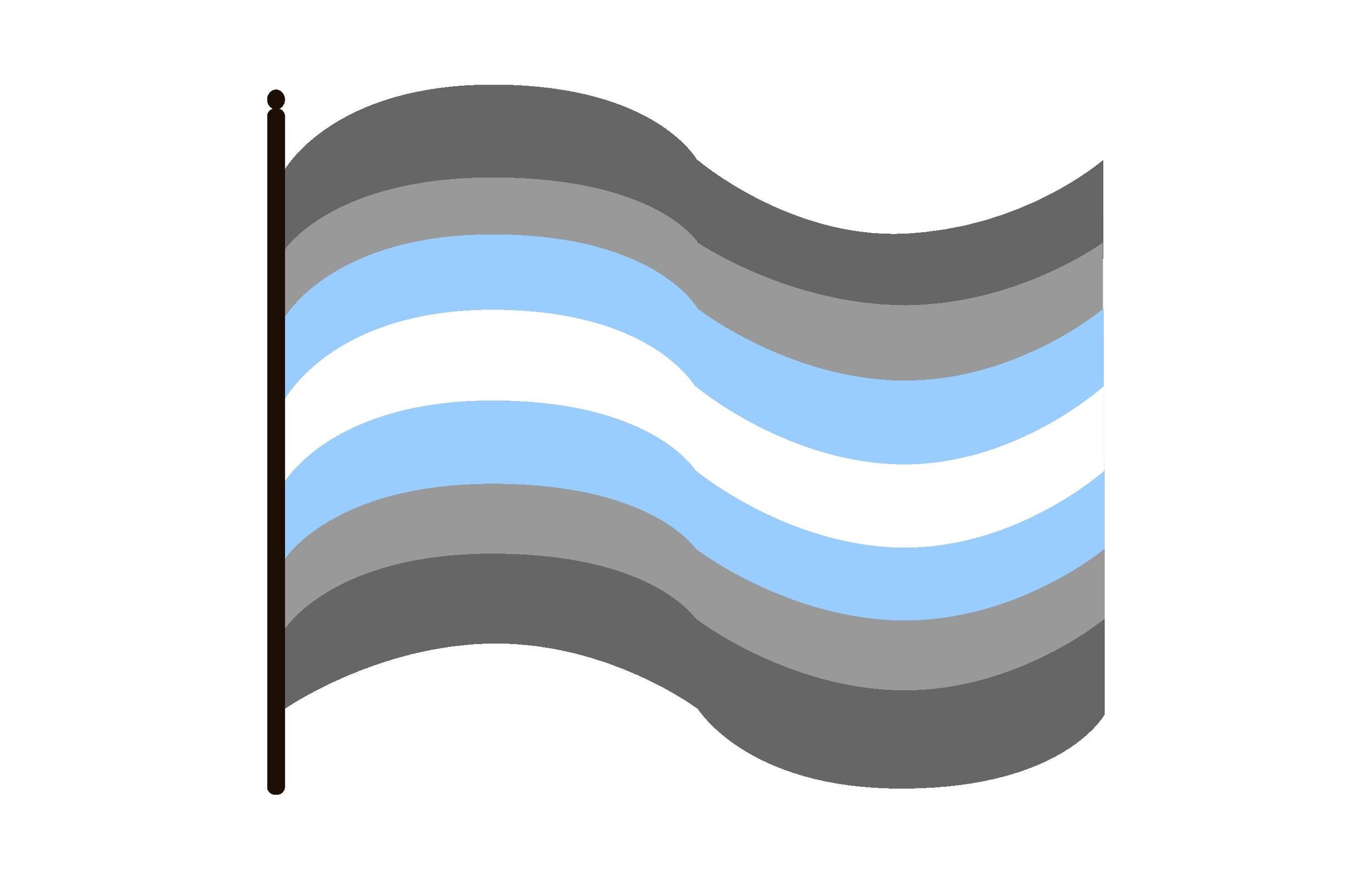
The flag features four colors, blue represents manhood/masculinity, white represents non-binary or agender, and the shades of grey represents the grey areas and partial connections to other genders than the binary concepts of gender (male or female).
This resource page is a non-exhaustive, compilation of information about the many pride flags that some in the LGBTQIA+ community use. On this page, you'll find the community represented by each flag, an image of the flag, a breakdown of what each of the colors and symbols on the flag means, as well as the creator or creators of each of the flags. If you would like us to add a pride flag to.
Agender Flag Agender Pride Flag Meaning This black, white, gray, and green pride flag was created by Salem X and was first seen on Tumblr in February 2014. The agender flag sports a green stripe, because green is the opposite of purple, which is a color that strongly relates to gender due to it being a combination of the traditionally masculine blue and feminine pink. Green, on the other hand.
A Comprehensive Guide To Pride Flags And Their Meanings | SFGMC
.jpg)
The Pride flags represent the LGBTQ+ community and help them feel seen and heard. Learn here all Pride flag color meanings and significance.
The original flag was created in 1977 by Gilbert Baker under the request of Harvey Milk, as a symbol of pride. Milk wanted a symbol for the growing LGBTQIA+ community in San Francisco. He was inspired by the striped American flag, and he used a rainbow of colors to symbolize the infinite spectrum of diversity in this beautiful community. The Pride Flag Color Meanings.
Brown and black stripes represent people of color and people who have died from AIDS, while the white, pink, and blue (as you'll see later) are colors from the transgender flag.
Apart from the black and brown stripes of the Philly pride flag, the chevron also contains the colors of the transgender pride flag, which consists of white, pink, and blue stripes.
A Comprehensive Guide To Pride Flags And Their Meanings | SFGMC
.jpg)
The Pride flags represent the LGBTQ+ community and help them feel seen and heard. Learn here all Pride flag color meanings and significance.
Brown and black stripes represent people of color and people who have died from AIDS, while the white, pink, and blue (as you'll see later) are colors from the transgender flag.
The light blue, light pink, and white colors are taken from the Transgender Pride Flag. And emphasizing the inclusion of transgender individuals in the broader LGBTQ+ community.
The flag features four colors, blue represents manhood/masculinity, white represents non-binary or agender, and the shades of grey represents the grey areas and partial connections to other genders than the binary concepts of gender (male or female).
Pride Flag Guide: Pride Flags And Their Meanings | SFGMC
.jpg?format=2500w)
The Pride flags represent the LGBTQ+ community and help them feel seen and heard. Learn here all Pride flag color meanings and significance.
Here's a guide to all the LGBTQ+ Pride flags, from the gay Pride banner and the bisexual flag to the transgender and non.
Agender Flag Agender Pride Flag Meaning This black, white, gray, and green pride flag was created by Salem X and was first seen on Tumblr in February 2014. The agender flag sports a green stripe, because green is the opposite of purple, which is a color that strongly relates to gender due to it being a combination of the traditionally masculine blue and feminine pink. Green, on the other hand.
The original flag was created in 1977 by Gilbert Baker under the request of Harvey Milk, as a symbol of pride. Milk wanted a symbol for the growing LGBTQIA+ community in San Francisco. He was inspired by the striped American flag, and he used a rainbow of colors to symbolize the infinite spectrum of diversity in this beautiful community. The Pride Flag Color Meanings.
LGBTQ+ Flag Directory - Pride Center | UW-La Crosse
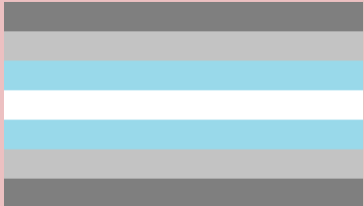
The Transgender Flag features a set of five horizontal stripes in light blue, pink, and white. The light blue stripe represents the traditional color for baby boys, the pink stripe represents the traditional color for baby girls, and the white stripe represents non.
The original flag was created in 1977 by Gilbert Baker under the request of Harvey Milk, as a symbol of pride. Milk wanted a symbol for the growing LGBTQIA+ community in San Francisco. He was inspired by the striped American flag, and he used a rainbow of colors to symbolize the infinite spectrum of diversity in this beautiful community. The Pride Flag Color Meanings.
This resource page is a non-exhaustive, compilation of information about the many pride flags that some in the LGBTQIA+ community use. On this page, you'll find the community represented by each flag, an image of the flag, a breakdown of what each of the colors and symbols on the flag means, as well as the creator or creators of each of the flags. If you would like us to add a pride flag to.
Brown and black stripes represent people of color and people who have died from AIDS, while the white, pink, and blue (as you'll see later) are colors from the transgender flag.
32 LGBTQ Pride Flags Their Meanings Trusted Since 1922, 53% OFF
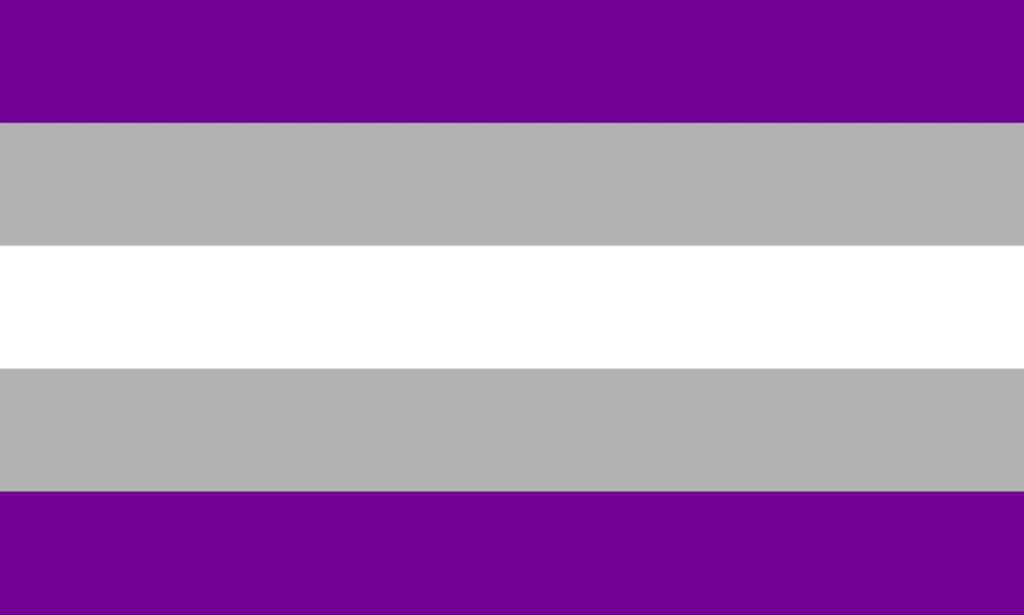
The original flag was created in 1977 by Gilbert Baker under the request of Harvey Milk, as a symbol of pride. Milk wanted a symbol for the growing LGBTQIA+ community in San Francisco. He was inspired by the striped American flag, and he used a rainbow of colors to symbolize the infinite spectrum of diversity in this beautiful community. The Pride Flag Color Meanings.
This resource page is a non-exhaustive, compilation of information about the many pride flags that some in the LGBTQIA+ community use. On this page, you'll find the community represented by each flag, an image of the flag, a breakdown of what each of the colors and symbols on the flag means, as well as the creator or creators of each of the flags. If you would like us to add a pride flag to.
The Pride flags represent the LGBTQ+ community and help them feel seen and heard. Learn here all Pride flag color meanings and significance.
The Transgender Flag features a set of five horizontal stripes in light blue, pink, and white. The light blue stripe represents the traditional color for baby boys, the pink stripe represents the traditional color for baby girls, and the white stripe represents non.
LGBTQ+ Flag Directory - Pride Center | UW-La Crosse

Agender Flag Agender Pride Flag Meaning This black, white, gray, and green pride flag was created by Salem X and was first seen on Tumblr in February 2014. The agender flag sports a green stripe, because green is the opposite of purple, which is a color that strongly relates to gender due to it being a combination of the traditionally masculine blue and feminine pink. Green, on the other hand.
This resource page is a non-exhaustive, compilation of information about the many pride flags that some in the LGBTQIA+ community use. On this page, you'll find the community represented by each flag, an image of the flag, a breakdown of what each of the colors and symbols on the flag means, as well as the creator or creators of each of the flags. If you would like us to add a pride flag to.
The flag features four colors, blue represents manhood/masculinity, white represents non-binary or agender, and the shades of grey represents the grey areas and partial connections to other genders than the binary concepts of gender (male or female).
Apart from the black and brown stripes of the Philly pride flag, the chevron also contains the colors of the transgender pride flag, which consists of white, pink, and blue stripes.
A Comprehensive Guide To Pride Flags And Their Meanings | SFGMC
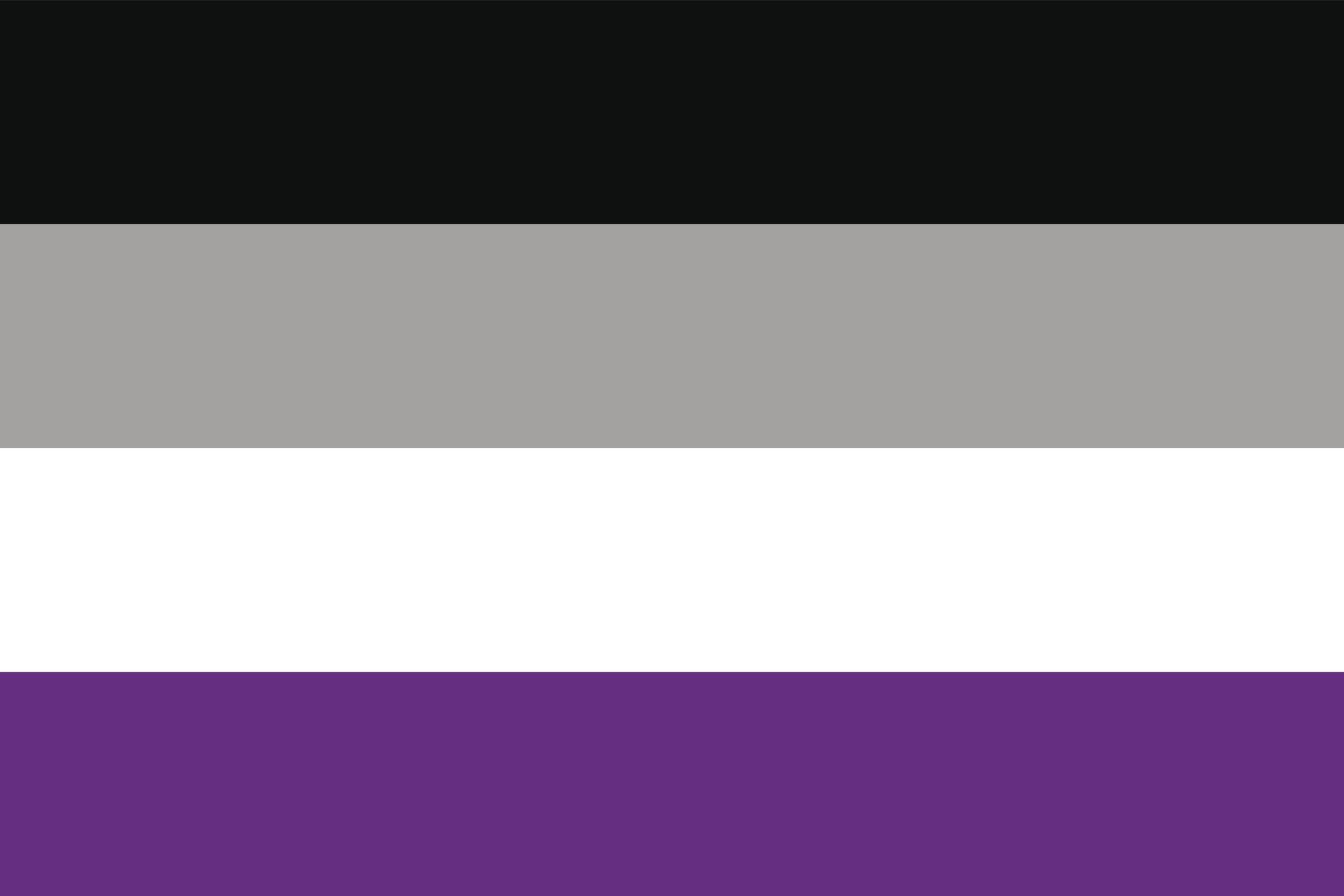
The flag features four colors, blue represents manhood/masculinity, white represents non-binary or agender, and the shades of grey represents the grey areas and partial connections to other genders than the binary concepts of gender (male or female).
Brown and black stripes represent people of color and people who have died from AIDS, while the white, pink, and blue (as you'll see later) are colors from the transgender flag.
The light blue, light pink, and white colors are taken from the Transgender Pride Flag. And emphasizing the inclusion of transgender individuals in the broader LGBTQ+ community.
This resource page is a non-exhaustive, compilation of information about the many pride flags that some in the LGBTQIA+ community use. On this page, you'll find the community represented by each flag, an image of the flag, a breakdown of what each of the colors and symbols on the flag means, as well as the creator or creators of each of the flags. If you would like us to add a pride flag to.
Pride Flags
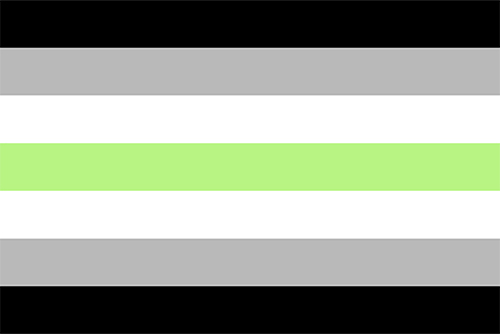
The Transgender Flag features a set of five horizontal stripes in light blue, pink, and white. The light blue stripe represents the traditional color for baby boys, the pink stripe represents the traditional color for baby girls, and the white stripe represents non.
The light blue, light pink, and white colors are taken from the Transgender Pride Flag. And emphasizing the inclusion of transgender individuals in the broader LGBTQ+ community.
The Pride flags represent the LGBTQ+ community and help them feel seen and heard. Learn here all Pride flag color meanings and significance.
The original flag was created in 1977 by Gilbert Baker under the request of Harvey Milk, as a symbol of pride. Milk wanted a symbol for the growing LGBTQIA+ community in San Francisco. He was inspired by the striped American flag, and he used a rainbow of colors to symbolize the infinite spectrum of diversity in this beautiful community. The Pride Flag Color Meanings.
Pride Flag Guide: Pride Flags And Their Meanings | SFGMC

The light blue, light pink, and white colors are taken from the Transgender Pride Flag. And emphasizing the inclusion of transgender individuals in the broader LGBTQ+ community.
The Pride flags represent the LGBTQ+ community and help them feel seen and heard. Learn here all Pride flag color meanings and significance.
The flag features four colors, blue represents manhood/masculinity, white represents non-binary or agender, and the shades of grey represents the grey areas and partial connections to other genders than the binary concepts of gender (male or female).
Brown and black stripes represent people of color and people who have died from AIDS, while the white, pink, and blue (as you'll see later) are colors from the transgender flag.
Guide To Pride Flags - UBC Equity & Inclusion Office
The light blue, light pink, and white colors are taken from the Transgender Pride Flag. And emphasizing the inclusion of transgender individuals in the broader LGBTQ+ community.
Agender Flag Agender Pride Flag Meaning This black, white, gray, and green pride flag was created by Salem X and was first seen on Tumblr in February 2014. The agender flag sports a green stripe, because green is the opposite of purple, which is a color that strongly relates to gender due to it being a combination of the traditionally masculine blue and feminine pink. Green, on the other hand.
Brown and black stripes represent people of color and people who have died from AIDS, while the white, pink, and blue (as you'll see later) are colors from the transgender flag.
The original flag was created in 1977 by Gilbert Baker under the request of Harvey Milk, as a symbol of pride. Milk wanted a symbol for the growing LGBTQIA+ community in San Francisco. He was inspired by the striped American flag, and he used a rainbow of colors to symbolize the infinite spectrum of diversity in this beautiful community. The Pride Flag Color Meanings.
Different Pride Flag Meanings Icon Set Royalty Free Vector

The light blue, light pink, and white colors are taken from the Transgender Pride Flag. And emphasizing the inclusion of transgender individuals in the broader LGBTQ+ community.
Apart from the black and brown stripes of the Philly pride flag, the chevron also contains the colors of the transgender pride flag, which consists of white, pink, and blue stripes.
Here's a guide to all the LGBTQ+ Pride flags, from the gay Pride banner and the bisexual flag to the transgender and non.
Brown and black stripes represent people of color and people who have died from AIDS, while the white, pink, and blue (as you'll see later) are colors from the transgender flag.
Brown and black stripes represent people of color and people who have died from AIDS, while the white, pink, and blue (as you'll see later) are colors from the transgender flag.
Apart from the black and brown stripes of the Philly pride flag, the chevron also contains the colors of the transgender pride flag, which consists of white, pink, and blue stripes.
The light blue, light pink, and white colors are taken from the Transgender Pride Flag. And emphasizing the inclusion of transgender individuals in the broader LGBTQ+ community.
The Transgender Flag features a set of five horizontal stripes in light blue, pink, and white. The light blue stripe represents the traditional color for baby boys, the pink stripe represents the traditional color for baby girls, and the white stripe represents non.
The Pride flags represent the LGBTQ+ community and help them feel seen and heard. Learn here all Pride flag color meanings and significance.
Agender Flag Agender Pride Flag Meaning This black, white, gray, and green pride flag was created by Salem X and was first seen on Tumblr in February 2014. The agender flag sports a green stripe, because green is the opposite of purple, which is a color that strongly relates to gender due to it being a combination of the traditionally masculine blue and feminine pink. Green, on the other hand.
Here's a guide to all the LGBTQ+ Pride flags, from the gay Pride banner and the bisexual flag to the transgender and non.
The original flag was created in 1977 by Gilbert Baker under the request of Harvey Milk, as a symbol of pride. Milk wanted a symbol for the growing LGBTQIA+ community in San Francisco. He was inspired by the striped American flag, and he used a rainbow of colors to symbolize the infinite spectrum of diversity in this beautiful community. The Pride Flag Color Meanings.
This resource page is a non-exhaustive, compilation of information about the many pride flags that some in the LGBTQIA+ community use. On this page, you'll find the community represented by each flag, an image of the flag, a breakdown of what each of the colors and symbols on the flag means, as well as the creator or creators of each of the flags. If you would like us to add a pride flag to.
The flag features four colors, blue represents manhood/masculinity, white represents non-binary or agender, and the shades of grey represents the grey areas and partial connections to other genders than the binary concepts of gender (male or female).